
Should university inventors own their IP? Reflections from the QUT Commercialisation Club Debate
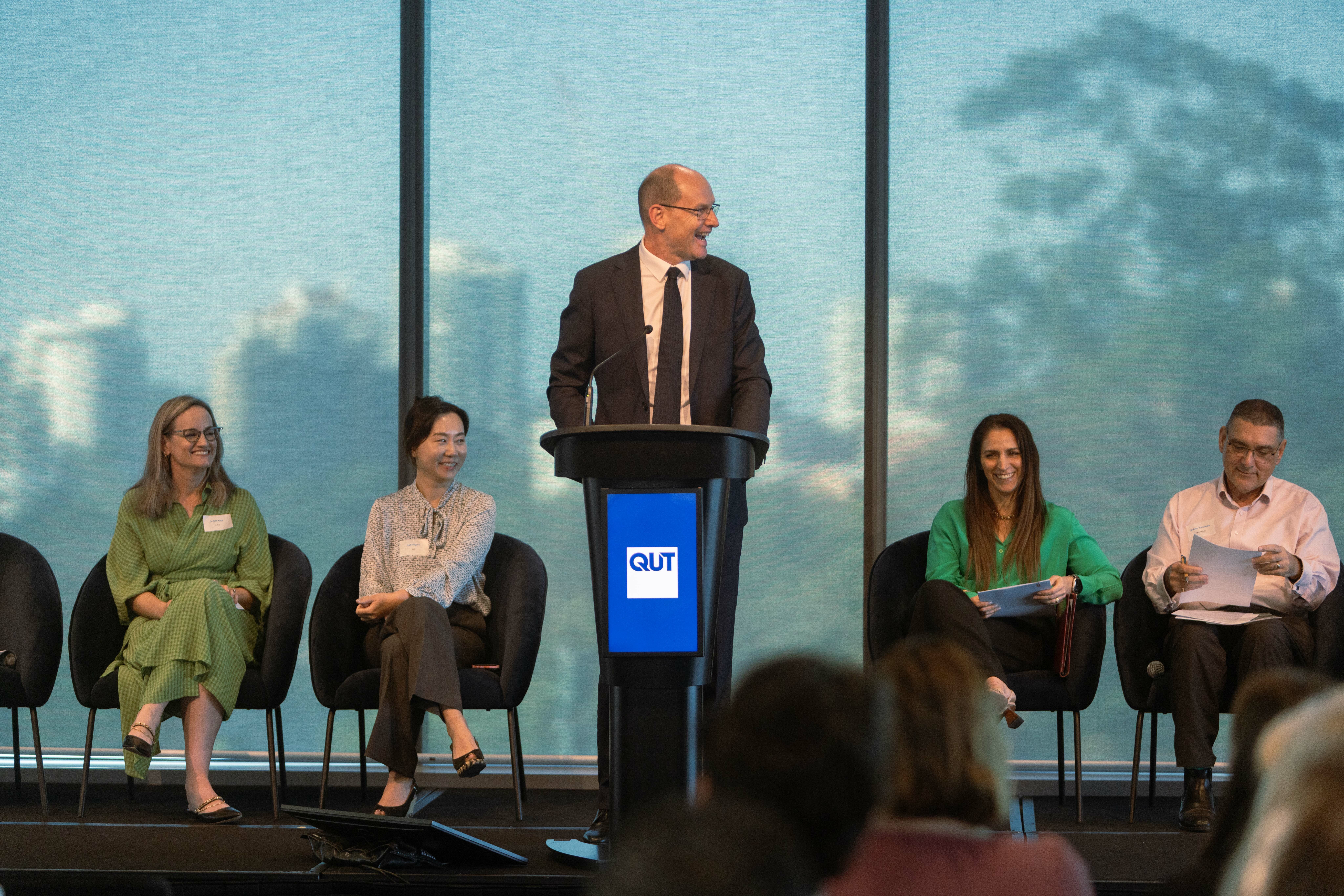
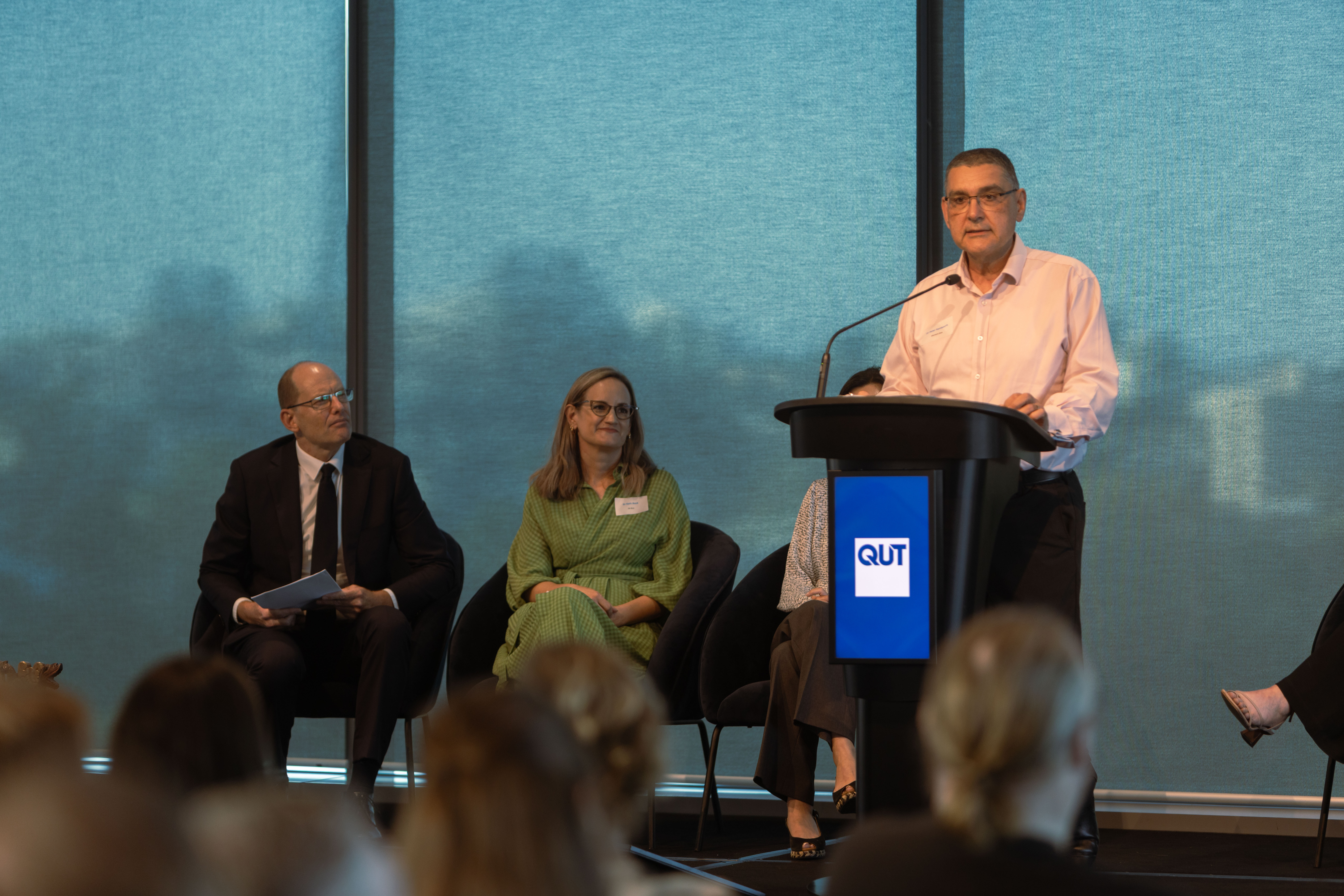
FB Rice was pleased to take part in the QUT Commercialisation Club debate, exploring a question central to Australia’s innovation ecosystem: Should university inventors own their IP? The debate brought together researchers, industry engagement leaders and commercialisation professionals — and unpacked the different ways IP ownership shapes research translation.
The case for inventor ownership
Speaking for the affirmative, Professor Yang Liu, Dr Kath Rock (FB Rice Special Counsel) and Ray Johnson focused on law, flexibility and innovation outcomes.
Professor Liu opened by drawing on her firsthand experience commercialising technologies in systems where researchers could choose their commercialisation pathway — either through the university or independently. That flexibility, she argued, better reflects the reality that different technologies require different routes to impact.
Dr Rock then grounded the case squarely in patent law. She explained that ownership begins with the inventor, and that under Australian law, researchers already own their inventions unless they have expressly assigned them by contract. She also addressed the growing role of AI in research, noting that despite AI’s contribution, courts and patent offices have consistently held that only humans can be inventors — reinforcing why ownership must remain linked to human inventorship.
Ray Johnson closed the affirmative by framing inventor ownership as an innovation‑ecosystem issue. When incentives sit closer to the source of invention, he argued, they encourage spin‑outs, industry engagement and commercial pathways that strengthen overall innovation performance.
The case for university ownership
Speaking for the negative, Dr Melissa Nikolic, Dr Peter Kambouris and Associate Professor Glen Murphy focused on capability, stewardship and mission.
Dr Nikolic argued that universities invest in professional commercialisation teams with specialist skills in IP management, licensing, partnerships and risk. Institutional ownership, she suggested, supports the public agreement that publicly funded research should be commercialised for public good, aligned with universities’ missions and accountability obligations.
Dr Kambouris built on this, noting that consistent institutional ownership can encourage innovation and technology transfer by providing scale, continuity and long‑term stewardship, particularly for complex or capital‑intensive technologies.
And with some well‑timed humour, Associate Professor Murphy made the pragmatic case: university ownership can free academics to do what they do best — research, teaching and discovery — while dedicated teams handle the commercial heavy lifting.
A shared goal
The result: After a lively back and forth, 60% of the audience landed in favour of universities owning the IP.
What united both sides was a commitment to the same outcome: more research translates into real‑world impact.
Whether ownership sits with universities or inventors, the debate made clear that ownership clarity, structures and incentives matter in driving successful commercialisation. At FB Rice we protect local innovation and see daily that ownership frameworks shape decision‑making — and that thoughtful design is critical to successful commercialisation.
Thank you to QUT’s Office of Industry Engagement and the Commercialisation Club for hosting a thoughtful, good‑humoured and important discussion.
Innovation starts with people. How we allocate ownership helps determine whether ideas ever make it to market.
 |  |
 |  |
 |  |